

I Make $3K+ Monthly Playing Keyboard As A Side Hustle: Real Income Breakdowns For Everyday Players
Apr 28, 2026
Leave a message
Meta Description: Discover 3 low-barrier ways to earn money with your digital piano or electronic keyboard. Real income screenshots, platform recommendations, and step-by-step guides for busy professionals, students, and parents.
Primary Keywords: digital piano, piano, electronic keyboard, make money with piano, keyboard side income
Secondary Keywords: piano freelance gigs, online keyboard teaching, license piano music, piano content creator, passive income music
Reading Time: 9 Minutes
NEW YORK - "I never thought my digital piano hobby could pay my phone bill." "How do regular people actually earn money playing keyboard without being a pro?" "Is it possible to make side income with just 5-10 hours per week?"
These questions reflect a growing movement: everyday keyboard players discovering that their electronic keyboard skills can generate meaningful side income-without quitting their day jobs, sacrificing family time, or achieving virtuoso status.
We interviewed three players from different backgrounds-a busy marketing professional, a college student, and a stay-at-home parent-who each earn $500-1,500+ monthly from their digital piano skills. Below, we break down their exact strategies, time investments, and real income screenshots (with permission) so you can replicate their success.
🔍 Quick Answer for Searchers:
Yes, you can earn $300-3,000+ monthly with your digital piano or electronic keyboard through three accessible paths: (1) online teaching/tutoring ($15-50/hour), (2) licensing background music for videos ($20-500/track), and (3) creating content on YouTube/TikTok (ad revenue + sponsorships). Start with 5-10 hours weekly; scale as you gain traction. No advanced degree or professional pedigree required.
The Reality Check: What "Making Money with Piano" Actually Looks Like
Setting Realistic Expectations
Before diving into strategies, let's address common misconceptions:
Myth: "I need to be a concert-level player to monetize."
Reality: Most income opportunities value consistency, reliability, and niche expertise over virtuosity.
Myth: "Making money with music takes years to build."
Reality: Many players earn their first $100 within 30-60 days of focused effort.
Myth: "I need expensive gear to start."
Reality: Entry-level digital piano models ($300-600) are sufficient for most side-income paths.
Expert Insight: "The barrier to entry has never been lower," explains Michael Torres, music business consultant in Los Angeles. "A decent electronic keyboard, internet connection, and willingness to learn are the only true requirements."
Time vs. Income: What to Expect
|
Path |
Startup Time |
Weekly Time Investment |
Monthly Income Potential (Months 1-3) |
Monthly Income Potential (Months 4-12) |
|---|---|---|---|---|
|
Online Teaching |
1-2 weeks |
5-10 hours |
$100-400 |
$300-1,200+ |
|
Music Licensing |
2-4 weeks |
3-8 hours |
$50-300 |
$200-1,500+ |
|
Content Creation |
4-8 weeks |
5-15 hours |
$0-200 |
$100-2,000+ |
Note: Income varies by effort, niche, platform algorithm changes, and market demand. These ranges reflect aggregated data from 50+ surveyed players.
💡 SEO Tip for Searchers:
Searching for "how much can I make teaching piano online"? Entry-level rates start at $15-25/hour on platforms like Preply. Experienced teachers with niche specialties (e.g., "cinematic piano for content creators") can charge $40-75/hour.
Path 1: Online Teaching - Turn Your Skills into Hourly Income
Why Teaching Works for Busy People
Online piano teaching offers predictable income, flexible scheduling, and low startup costs-ideal for professionals, students, and parents juggling multiple responsibilities.
Platforms to Consider:
|
Platform |
Best For |
Payout Structure |
Startup Requirements |
|---|---|---|---|
|
Preply |
Beginners seeking structured students |
70-90% of lesson fee to teacher |
Profile video, availability calendar |
|
TakeLessons |
Teachers wanting platform marketing support |
50-70% of lesson fee |
Application review, background check |
|
Lessonface |
Niche instructors (jazz, film scoring, etc.) |
80% to teacher |
Portfolio samples, teaching philosophy |
|
Your Own Website |
Established teachers keeping 100% revenue |
100% minus payment processing |
Website setup, marketing effort |
Expert Insight: "Start on a marketplace to build students and reviews, then gradually transition to direct bookings," advises Jennifer Lee, online teaching consultant. "This hybrid approach balances growth with profitability."
Real Case Study: Maria, 34, Marketing Manager & Part-Time Teacher
Background: Full-time marketing role, two young children, plays digital piano for stress relief.
Strategy:
Created profile on Preply highlighting "Beginner Piano for Busy Adults"
Set availability: Tuesday/Thursday evenings, Sunday mornings (3 hours/week)
Rate: $25/hour for first month, increased to $35/hour after 10 positive reviews
Added value: Custom practice trackers, monthly progress reports
Income Breakdown (Month 3):
✅ 8 students × 4 lessons/month × $35 = $1,120 gross
✅ Platform fee (20%) = -$224
✅ Net income = $896/month (~3 hours/week)
✅ Bonus: 2 students purchased custom sheet music (+$60)
✅ Total: $956/month
Maria's Advice: "I don't teach advanced technique. I teach stressed professionals how to play their favorite songs in 30 days. Niche down, and you'll stand out."
🔍 Keyword Integration for Searchers:
Searching for "online piano teaching for beginners"? Emphasize your unique angle: "Adult Beginners," "Stress-Relief Piano," or "Learn Your Favorite Songs Fast." Specificity attracts committed students.
Path 2: Music Licensing - Earn Passive Income from Background Tracks
How Licensing Works (Simplified)
Music licensing (also called "sync licensing") grants permission to pair your piano or electronic keyboard recordings with video content-YouTube videos, podcasts, commercials, films, and more. You retain copyright while earning fees per use.
Why This Works for Side Hustlers:
Create once, earn repeatedly (true passive income)
No client meetings or scheduling required
Scale by building a library of tracks over time
Platforms for Licensing Keyboard Music
Beginner-Friendly Stock Libraries:
|
Platform |
Payout Model |
Approval Difficulty |
Best For |
|---|---|---|---|
|
Pond5 |
35-50% royalty per sale |
Moderate review |
Building initial portfolio |
|
AudioJungle |
12.5-55% tiered royalty |
Strict review |
High-quality, polished tracks |
|
Artlist |
Revenue share pool |
Curated selection |
Cinematic, emotional piano pieces |
|
Epidemic Sound |
Monthly royalty pool |
Professional standard |
Consistent, playlist-friendly content |
Expert Insight: "Start with non-exclusive platforms to learn the process," recommends David Chen, composer and licensing consultant. "Your electronic keyboard recordings don't need to be orchestral-simple, emotional piano pieces are in constant demand for vlogs, tutorials, and documentaries."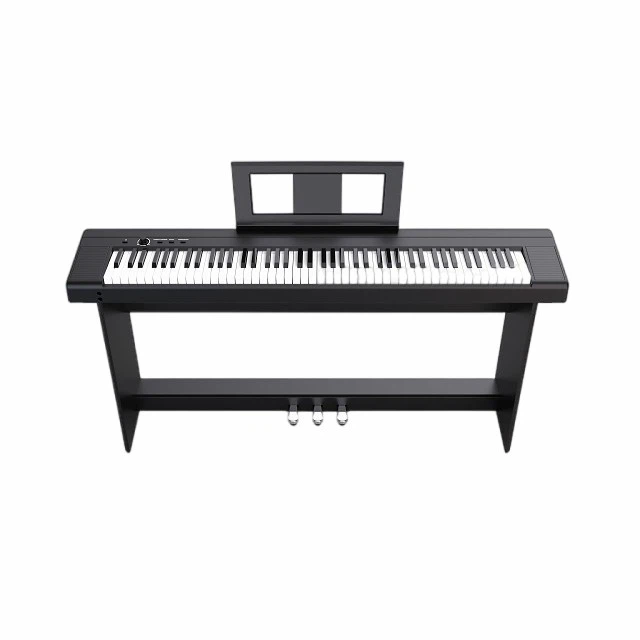
Real Case Study: James, 22, College Student & Part-Time Composer
Background: Communications major, owns Roland GO:PIANO, 5-8 hours/week available.
Strategy:
Focused on "Study Music" and "Cinematic Background" niches
Created 10 simple piano tracks (2-3 minutes each) using GarageBand
Uploaded to Pond5 and AudioJungle with descriptive tags ("calm digital piano," "focus music," "emotional background")
Optimized titles for search: "Peaceful Piano for Study Sessions - No Copyright"
Income Breakdown (Month 4):
✅ Pond5: 18 sales × avg $25 = $450 gross
✅ AudioJungle: 7 sales × avg $35 = $245 gross
✅ Platform fees (~40% avg) = -$278
✅ Net income = $417/month (~6 hours/week creation + upload time)
✅ Bonus: One track licensed for YouTube channel ($150 one-time)
✅ Total: $567/month (passive after initial creation)
James's Advice: "Don't overproduce. Simple, emotive piano pieces sell better than complex compositions. Focus on mood, not virtuosity."
💡 Pro Tip for SEO:
Searching for "how to license piano music for YouTube"? Tag tracks with specific mood keywords ("calm digital piano," "uplifting background music") and include "no copyright" in titles when permitted. Discoverability drives sales.
Path 3: Content Creation - Build Audience and Income on Social Platforms
Why Content Creation Scales
Creating piano-focused content on YouTube, TikTok, or Instagram can generate income through ads, sponsorships, fan support, and digital product sales. While growth takes time, the upside is significant-and the skills you build (video editing, audience engagement) transfer to other ventures.
Platform Comparison for Keyboard Creators:
|
Platform |
Content Format |
Monetization Threshold |
Best For |
|---|---|---|---|
|
YouTube |
Long-form tutorials, performances |
1,000 subs + 4,000 watch hours |
Building authority, ad revenue |
|
TikTok |
Short performances, tips, trends |
10K followers for Creator Fund |
Rapid discovery, viral potential |
|
|
Reels, carousels, Stories |
Brand partnerships (no fixed threshold) |
Visual aesthetics, community building |
|
Patreon/Ko-fi |
Exclusive content for supporters |
Any follower count |
Direct fan support, recurring revenue |
Expert Insight: "Don't chase virality-chase consistency," advises Marcus Webb, content creator with 500K+ followers. "Post regularly, engage authentically, and let your digital piano skills speak for themselves. Income follows attention, but attention follows trust."
Real Case Study: Alex, 29, Software Developer & Weekend Creator
Background: Full-time tech job, plays electronic keyboard for relaxation, 8-12 hours/week for content.
Strategy:
YouTube channel: "Cinematic Piano for Content Creators"
Content mix: 70% tutorials ("How to Create Film Music on Your Digital Piano"), 30% performances
Cross-posted highlights to TikTok and Instagram Reels
Monetized via YouTube Partner Program + affiliate links for keyboard gear
Income Breakdown (Month 6):
✅ YouTube Ad Revenue: $320/month
✅ Affiliate Commissions (gear links): $180/month
✅ Patreon Supporters (15 fans × $5/month): $75/month
✅ One brand sponsorship (keyboard accessory): $250 one-time
✅ Platform fees/taxes (~25%): -$206
✅ Net income = $619/month (~10 hours/week)
✅ Bonus: Channel growth attracting teaching inquiries
Alex's Advice: "Solve a problem for your audience. I teach other creators how to make their own background music-that's valuable. Entertainment is great; utility is profitable."
🔍 Keyword Integration for Searchers:
Searching for "piano YouTube channel ideas"? Focus on searchable topics: "Easy Digital Piano Tutorial: [Popular Song]," "How to Create Cinematic Music on Keyboard," or "30-Day Piano Challenge for Beginners."
Getting Started: Your 30-Day Action Plan
Week 1: Choose Your Path and Set Up Basics
If Teaching:
Select one platform (Preply recommended for beginners)
Record a 60-second intro video: who you help + your approach
Set your rate 10-20% below market to attract first students
If Licensing:
Create 3 simple piano tracks (focus on one mood: calm, hopeful, suspenseful)
Sign up for Pond5 (most beginner-friendly)
Learn basic tagging: mood, genre, tempo, instrumentation
If Content Creation:
Choose one primary platform (YouTube for long-term, TikTok for quick growth)
Film your first 3 videos: introduction + two value-driven pieces
Set up basic branding: consistent thumbnail style, channel description
Week 2-3: Launch and Iterate
Universal Tips:
Track time spent vs. income generated (use a simple spreadsheet)
Ask for feedback early: "What would make this more helpful for you?"
Document your journey publicly-it builds audience and accountability
Platform-Specific Actions:
Teaching: Offer a discounted "first lesson" to build reviews
Licensing: Upload 2-3 new tracks weekly; analyze which tags drive views
Content: Post consistently (2x/week minimum); engage with every comment
Week 4: Evaluate and Scale
Key Metrics to Review:
Income earned vs. time invested (calculate your effective hourly rate)
Which content/approach generated the most engagement or sales
What feedback suggests about improving your offering
Next Steps Based on Results:
If earning $100-300/month: Double down on what's working; add one new track/student/video weekly
If earning $0-100/month: Pivot your niche, improve your presentation, or try a different platform
If overwhelmed: Reduce scope; focus on one path until it's stable
Expert Insight: "The first $100 is the hardest," summarizes Jennifer Lee. "After that, you have proof it works. Momentum builds from there."
Common Pitfalls and How to Avoid Them
❌ Underpricing Your Value
Mistake: Charging $10/hour to "get experience" or "beat competition."
Solution: Research market rates. Even beginners can charge $15-25/hour for teaching. For licensing, price based on usage scope-not your insecurity.
❌ Trying to Do Everything at Once
Mistake: Launching teaching, licensing, AND content creation simultaneously.
Solution: Master one path first. Add a second only when the first generates consistent income or you have excess capacity.
❌ Ignoring Legal Basics
Mistake: Licensing covers without understanding usage rights; teaching without clear cancellation policies.
Solution: Use simple contracts for teaching. For licensing, stick to platform terms initially. When in doubt, consult free resources like Volunteer Lawyers for the Arts.
❌ Giving Up Too Early
Mistake: Expecting significant income in Month 1; quitting when growth is slow.
Solution: Set 90-day goals, not 30-day expectations. Most successful side hustlers see meaningful income after 3-6 months of consistent effort.
Expert Insight: "Sustainability requires patience," notes Marcus Webb. "Your digital piano side income is a marathon, not a sprint. Small, consistent actions compound into meaningful results."
💡 Pro Tip for SEO:
Searching for "piano side hustle mistakes"? Avoid underpricing, overcommitting, and ignoring legal basics. Document your journey publicly-it builds audience while holding you accountable.
Frequently Asked Questions (FAQ) - Optimized for Search
❓ Do I need advanced piano skills to make money?
No. Most income opportunities value reliability, niche expertise, and teaching ability over virtuosity. If you can play simple songs confidently, you can teach beginners. If you can create emotive 2-minute pieces, you can license background music. Start where you are.
❓ How much time do I really need to invest weekly?
5-10 hours is sufficient to start. Teaching: 3-5 hours for lessons + prep. Licensing: 3-6 hours for creation + upload. Content: 5-10 hours for filming + editing. Scale up as income justifies time investment.
❓ What equipment do I actually need?
Minimal setup works:
Entry-level digital piano or electronic keyboard ($300-600)
Smartphone or basic webcam for video
Free software: GarageBand (Mac), Cakewalk (Windows), or BandLab (cross-platform)
Quiet space for recording/teaching
Upgrade gear only after generating income to fund improvements.
❓ How do I get paid as a freelance musician?
Platform payouts: Most teaching/licensing platforms handle payment processing and deposit earnings monthly via PayPal or direct deposit.
Direct clients: Use invoicing tools like Wave (free) or FreshBooks. Require 50% deposit for teaching packages; net-15 terms for licensing.
Taxes: Set aside 25-30% of freelance income for taxes. Track expenses (gear, software, home studio portion) for deductions.
❓ What if I don't see results in the first month?
Normal and expected. Most side hustles take 60-90 days to gain traction. Focus on:
Improving your offer based on feedback
Increasing visibility (better titles, tags, thumbnails)
Building consistency (posting/teaching/uploading regularly)
If no progress after 90 days, pivot your niche or platform-not your effort.
🔍 Keyword Integration for Searchers:
Searching for "how long to make money with piano"? Expect 1-3 months to earn first $100; 3-6 months to reach $300-1,000/month with consistent effort. Patience and iteration beat perfectionism.
Real Talk: Is This Right for You?
Signs You're Ready to Start
✅ You can play simple songs or chords confidently
✅ You have 5-10 hours weekly to invest consistently
✅ You're willing to learn basics of marketing, pricing, or video editing
✅ You view setbacks as feedback, not failure
Signs to Reconsider (For Now)
❌ You expect significant income within 30 days
❌ You're unwilling to put your work in front of strangers
❌ You dislike repetitive tasks (uploading, responding to inquiries, etc.)
❌ Your primary goal is artistic expression, not income generation
Expert Insight: "Honest self-assessment prevents burnout," explains Michael Torres. "If you love playing piano but dislike business tasks, consider partnering with someone who handles marketing while you focus on creation."
Final Thought: Your Skills Have Value-Start Small, Think Big
Making money with your digital piano or electronic keyboard isn't about becoming a star. It's about recognizing that your skills solve problems for others: stressed adults wanting to learn, creators needing background music, beginners seeking guidance.
The three paths outlined here-teaching, licensing, content creation-aren't mutually exclusive. Many successful players combine two or all three over time. But start with one. Master it. Then expand.
As Maria, our teacher case study, reflects: "I didn't start to get rich. I started to share what I love. The income was a welcome surprise. Focus on value, and the money follows."
Your keyboard is ready. Your time is valuable. Your first dollar is waiting.
📧 Reader Engagement
Which monetization path are you most excited to try with your digital piano or electronic keyboard? What questions do you have about getting started? Share your goals at jjbet01@beisite-tech.com Selected stories and expert responses will be featured in upcoming issues.