Bassoon: The Bass Soul of the Woodwind Family
Mar 03, 2026
Leave a message
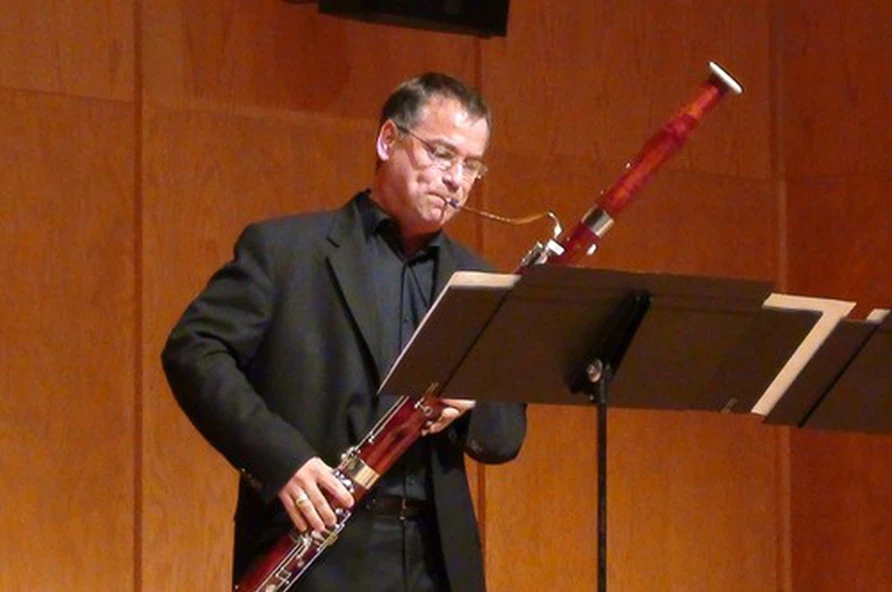
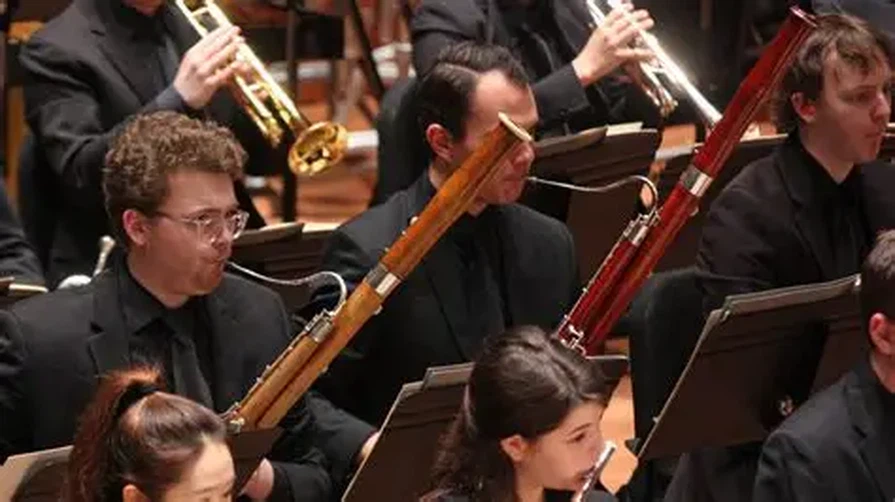
The bassoon, also known as the bassoon, is a low-pitched instrument that produces sound through double-reed vibration, controls pitch by means of keys, and amplifies tone via resonance in its long conical tube.
The history of the bassoon is an evolution from primitive double-reed low instruments to a core modern woodwind instrument. Its origins can be traced to 16th-century Europe. The early form was the "bass double-reed instrument," improved from medieval oboes. In this period, it was essentially a "bass-amplified version" of the oboe, with the core features of long tubing and double-reed vibration. In the late 17th century, European instrument makers carried out systematic improvements on early bass double-reed instruments, and the prototype of the modern bassoon was officially created. From the late 18th century to the late 19th century, the bassoon's key system underwent breakthrough innovation, its structure became gradually standardized, and its artistic expressiveness was greatly enhanced, formally establishing its core position in the woodwind family. Since the 20th century, the bassoon has achieved comprehensive diversification in technological innovation, artistic styles and application scenarios. It retains the traditional heritage of classical music while gaining new vitality in modern music.
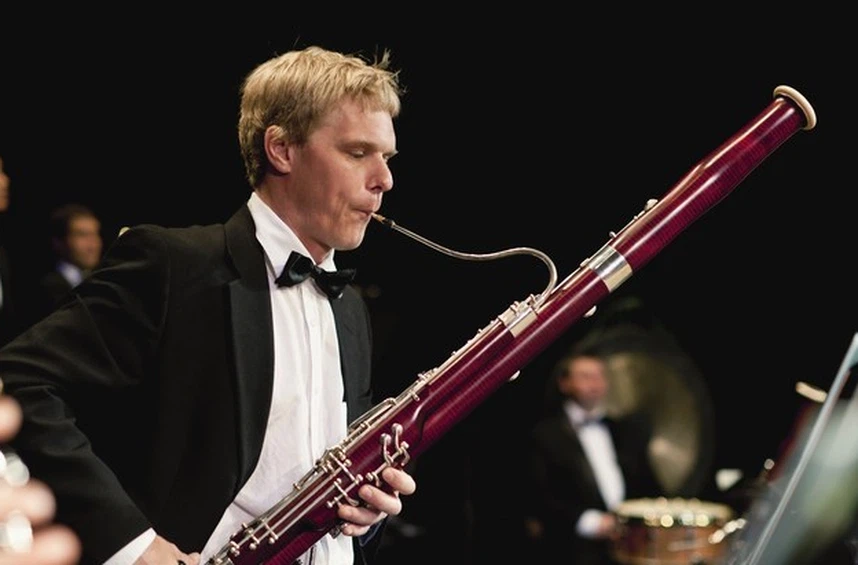
The unique tone and expressiveness of the bassoon come from its precise structural design, which mainly consists of five parts: the tube system, the key system, the double reed, the mouthpiece and the support system. All components work together to complete the whole process from double-reed vibration to sound output.
The tube is the core component of the bassoon, serving as both the airflow channel and the resonance chamber. It is made of grenadilla wood, which features high density and excellent resonance, producing a rich, full, warm and natural tone, making it the top choice for professional performers. The key system is the critical component for pitch control, changing the effective length of the tube by opening and closing tone holes to enable full chromatic performance. The double reed and mouthpiece are the core sound-producing parts of the bassoon. Their material, shape and size directly affect the vibration effect and timbre characteristics, and are the key to the personalized tone of the bassoon.

The sound production process of the bassoon is a complete chain: airflow – double-reed vibration – air column vibration – tube resonance – sound radiation. It mainly relies on the player's lip control and double-reed vibration, and with the unique resonance of the large-volume conical tube, forms its deep, rich, flexible and varied timbre characteristics. The player's breath control, lip condition, double-reed vibration effect and key accuracy all directly influence timbre and intonation. Therefore, bassoon playing demands high physical control and coordination, representing a triple test of skill, physical stamina and musical understanding.
The bassoon has remained vibrant for centuries thanks to its unique advantages in timbre, range, playing techniques and adaptability. It balances professionalism and expressiveness, and adapts to diverse musical scenes, making it "the most distinctive low instrument" in the woodwind family. Tone is the most essential artistic feature of the bassoon, characterized by depth, richness, flexibility and layered quality. It combines the weight of low instruments and the softness of woodwind instruments, which is the core mark that distinguishes it from other low instruments.
The bassoon is a perfect combination of technology and art, as well as a vivid reflection of tradition and innovation. It carries the historical memories of different eras and shows new vitality in the present.
In the future, with the advancement of technology and the integration of cultures, the bassoon will continue to innovate in inheritance and develop in integration, constantly expanding its artistic boundaries and injecting new vitality into the prosperity of global musical culture.