From the Viol to the Modern Stage: The Development and Artistic Charm of the Cello
Dec 22, 2025
Leave a message
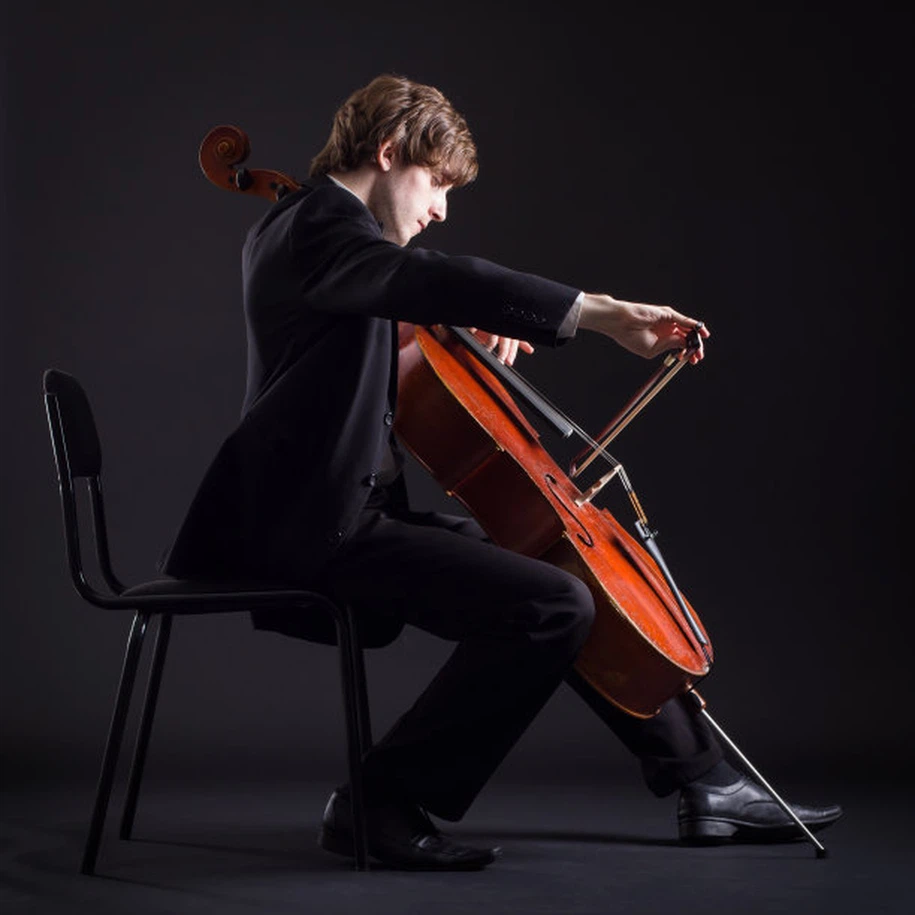
In the string family of Western classical music, the cello stands out as one of the most emotionally expressive instruments, thanks to its deep, mellow tone that closely resembles the human voice. The historical origins of the cello can be traced back to Europe during the Renaissance period. Among the earliest string instruments, such as the viol family, low-pitched instruments similar to the cello had already emerged. As time went on, luthiers continuously refined the cello's structure, enhancing its tone to be more rounded and full, while expanding its range. By the 17th century, the cello gradually took its mature form and began to be widely used in court music and church music, establishing itself as the bass backbone of ensembles.
The cello features a complex and sophisticated structure, and is regarded as one of the most aesthetically pleasing instruments in the string family. A modern cello mainly consists of components including the sound box, neck, fingerboard, strings, bow, and endpin. Focusing on the sound box, it has an oval shape and is composed of three parts: the top plate, back plate, and ribs. The top plate is typically crafted from high-quality spruce. This type of wood, with its uniform grain and soft texture, enables the production of rich resonance. The back plate and ribs, on the other hand, are made of maple. Maple, known for its hard texture and beautiful grain, enhances the rigidity and sound conductivity of the sound box. The neck serves as a crucial supporting structure of the cello, usually made of hard maple. It connects to the sound box at a slightly inclined angle. Strings are the core components responsible for the cello's sound production. A modern cello generally uses four strings, which are, from the lowest to the highest pitch, the C string (bass string), G string (tenor string), D string (alto string), and A string (treble string). These strings are tuned in perfect fifths (C-G-D-A). The stick of the cello bow is usually made of rosewood. Rosewood, with its hard texture and excellent elasticity, provides sufficient support for the player.
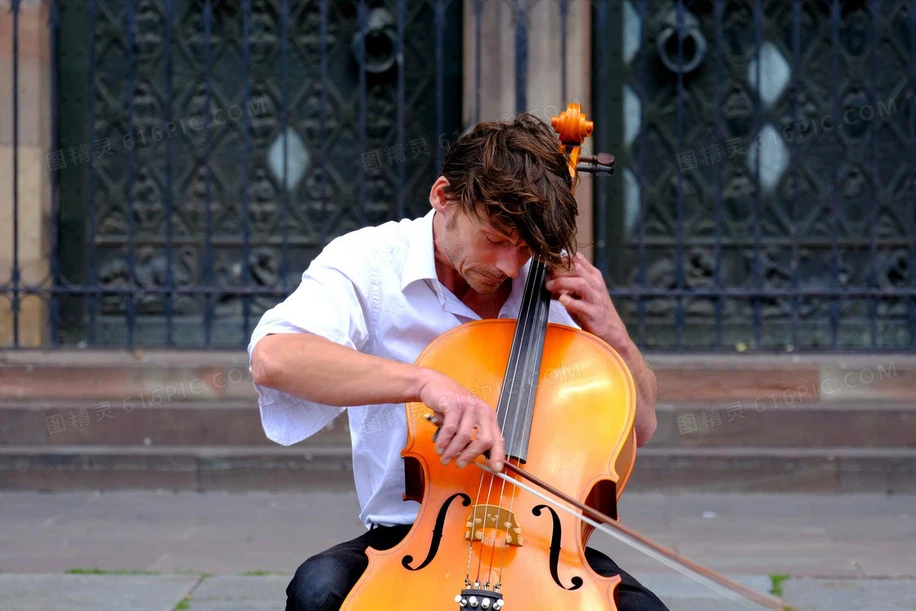
The cello's tone is deep, mellow, warm, and full, with a unique "wooden resonance". It can not only convey deep and restrained emotions but also express passionate and surging feelings, boasting strong expressive power. Moreover, the cello's tone possesses high plasticity. Through the application of different playing techniques and bowing methods, it can produce a diverse range of tonal effects.
The cello occupies an indispensable core position in the orchestra and is known as "the cornerstone of the orchestra". In the string section of a symphony orchestra, the cello is positioned between the viola and the double bass. It fills the gap in the low-pitched range and forms the harmonic foundation of the string section. Within the harmonic texture of the orchestra, the cello can either play the bass melody, creating a response and dialogue with the treble melody of the violin, or combine with the bass section of the double bass to build a solid harmonic framework. This contributes to a richer and more balanced sound of the orchestra.

The development history of the cello is not only a chronicle of innovations in instrument craftsmanship and playing techniques but also an epitome of the spiritual essence of Western music culture. Looking ahead, the development of cello art will continue to exhibit a trend where inheritance and innovation coexist, and equal emphasis is placed on professionalism and popularization. As an important carrier for cross-cultural communication, the cello will continue to play a role in international cultural exchanges, promoting the integration and development of musical cultures from different nations and regions.