

Viola: The Alto Treasure Wandering Between Classical and Modern
Oct 31, 2025
Leave a message
Like the violin and cello, the viola originated in Italy at the end of the 16th century. Back then, stringed instruments were simple bowed instruments consisting of several strings and a soundbox. The rise of Romantic music in the 19th century brought an opportunity for the viola's independent development. This period saw the emergence of dedicated viola players, such as Austrian musician Anton Ritter von Richterhoff. He not only promoted innovations in viola playing techniques but also actively popularized solo repertoires for the instrument, gradually freeing the viola from its position as a "subsidiary of the violin."
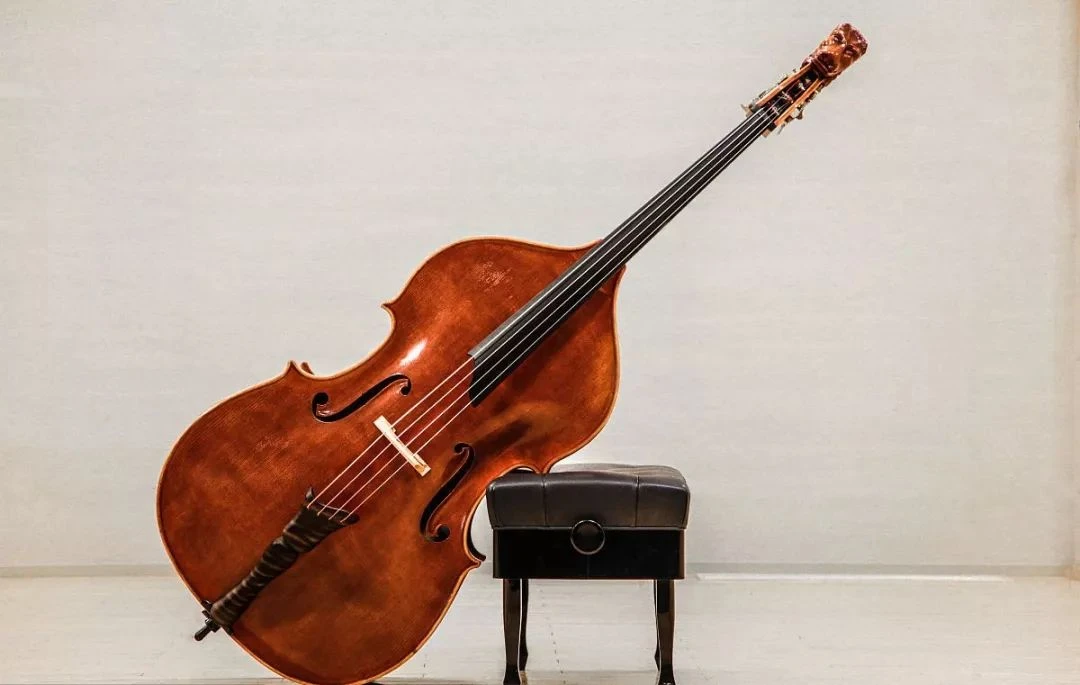
In terms of musical instrument craftsmanship, the modern viola integrates traditional lutherie techniques with technological methods. Its top plate is mostly made of spruce, while the back and side plates are crafted from maple. Computer-aided design optimizes the soundbox structure, resulting in a more balanced and transparent tone.The tone of the viola is its core artistic trait, hailed as "the instrument closest to the human voice." Concentrated in the midrange, its tone embodies multiple qualities-warmth, richness, depth, and melancholy.

In orchestral instrumentation, the viola's tone serves as a "bridge," organically connecting the violin's treble range with the cello and double bass's bass range. This ensures a natural and smooth transition of tone across the entire string section.The viola plays a dual role in musical works: it is both an indispensable "harmonic hub" in the orchestra and a charming "emotional storyteller" on the solo stage. In a symphony orchestra, the viola section typically consists of 8-12 players, positioned between the violins and cellos. It mainly undertakes harmonic filling, voice leading, and secondary melody performance. At the harmonic level, the viola reinforces thickness and stability by playing the middle voices of triads and seventh chords, enriching the orchestra's overall tone.
The artistic value of the viola lies not only in its unique tone and playing techniques but also in the aesthetic changes and cultural significance it carries throughout the development of music. As the "midrange core" of the string family, the viola fills the tonal gap between treble and bass, making the expression of the string section more complete and three-dimensional. Its warm and gentle tonal characteristics align with the harmonious beauty pursued by classical music and echo modern music's exploration of emotional depth. Whether in the heartfelt interpretation of classical works or the innovative expression of modern compositions, the viola can always let the audience feel the diversity and beauty of music with its unique charm.
