
Family Harmony: How Electronic Keyboards Can Launch Your Child's Musical Journey
Apr 03, 2026
Leave a message
NEW YORK - "My four-year-old bangs on the keyboard but won't follow lessons." "Is six too old to start? Is three too young?" "How do I keep practice fun instead of a battle?"
These questions fill parent forums and music school inboxes across North America and Europe. As families seek enriching activities that balance education with enjoyment, electronic keyboards have emerged as accessible entry points to musical development. Yet many parents feel uncertain about timing, approach, and expectations.
We consulted child development specialists, music educators, and family therapists across the United States and Europe to create a comprehensive guide for parents beginning the musical journey with their children.
The Research: Why Start Young, But Not Too Young
According to the 2025 Early Music Education Study conducted by the National Association of Music Merchants (NAMM) in partnership with Johns Hopkins University, children who begin structured musical activities between ages four and seven show measurable benefits in cognitive development, emotional regulation, and academic performance.
However, the study also found that starting before age four often leads to frustration for both child and parent, while beginning after age nine may miss critical windows for auditory development and motor skill formation.
"Timing matters, but approach matters more," explains Dr. Amanda Foster, child psychologist specializing in arts education at University of Oxford. "A positive early experience with music creates lifelong engagement. A negative experience can close doors permanently."
Dr. Rachel Goldman, Professor of Music Pedagogy at Juilliard School, adds: "Electronic keyboards offer unique advantages for young learners. Volume control, headphone options, and diverse sounds maintain interest in ways acoustic pianos cannot match for small children."
Age Guidelines: When to Begin and What to Expect
Ages 3-4: Exploration Phase
At this stage, children benefit from unstructured play with the keyboard. Focus on discovery rather than instruction. Let them press keys, explore sounds, and develop comfort with the instrument.
Recommended approach: Fifteen-minute sessions maximum. Use games like "find the high sounds" or "make animal noises with keys." Avoid formal note reading or technique correction.
Expert insight: "Three-year-olds aren't ready for lessons," says Maria Santos, early childhood music specialist in Miami. "They're ready for musical play. The distinction matters enormously."
Ages 5-6: Introduction Phase
Children can begin simple structured activities. Five-finger patterns, basic rhythm clapping, and familiar melody recognition become appropriate. Short, frequent sessions work better than infrequent long ones.
Recommended approach: Twenty-minute sessions three to four times weekly. Incorporate movement, singing, and storytelling. Use colorful stickers or apps to mark keys initially.
Expert insight: "Five is often the sweet spot," notes Marcus Webb, keyboard instructor with twenty years of teaching children in London. "Motor skills have developed enough for basic coordination. Attention spans allow for simple structure."
Ages 7-9: Foundation Phase
Children can engage with traditional lesson elements: note reading, hand position, and simple repertoire. Progress becomes more measurable and rewarding.
Recommended approach: Thirty-minute sessions with clear goals. Balance technical work with creative exploration. Celebrate small achievements consistently.
Expert insight: "Seven to nine is when serious learning can begin without sacrificing joy," explains Dr. Goldman. "Children understand cause and effect. They appreciate progress. They can practice independently with guidance."
Ages 10+: Acceleration Phase
Older beginners progress rapidly due to developed cognitive skills and discipline. They can handle traditional curriculum while maintaining enthusiasm through genre choice and creative projects.
Recommended approach: Let the child influence repertoire selection. Incorporate technology like recording and composition. Connect music to their existing interests.
Making Practice Fun: Strategies That Actually Work
Game-Based Learning
Transform exercises into games. "Simon Says" with keyboard patterns. "Musical treasure hunts" where correct notes reveal clues. "Speed challenges" with timer apps. Games reduce resistance and increase engagement.
Story Integration
Create narratives around practice. "This scale is the dragon's staircase - climb it smoothly to reach the castle." "These chords are the wizard's spell - play them clearly to make magic happen." Stories provide context that abstract exercises lack.
Technology Enhancement
Quality apps like Simply Piano, Yousician, and Piano Kids offer gamified learning with immediate feedback. Use them as supplements, not replacements, for human instruction.
Expert insight: "Apps work best as practice partners, not teachers," cautions Jennifer Lee, family music consultant in Los Angeles. "They motivate repetition. But human connection provides the emotional foundation for lasting engagement."
Recording and Playback
Children love hearing themselves. Record short performances weekly. Listen together and celebrate progress. This builds confidence and provides concrete evidence of improvement.
Performance Opportunities
Create low-pressure "concerts" for family members. Video call grandparents to hear new pieces. Small audiences build performance skills without overwhelming anxiety.
Parent-Child Practice: Building Connection Through Music
The Co-Learning Model
Parents who learn alongside their children create powerful bonding experiences. You don't need to be expert - being a fellow beginner models persistence and normalizes struggle.
Recommended approach: Dedicate ten minutes of each session to "duet time." Play simple patterns together. Focus on enjoyment rather than perfection.
Expert insight: "When parents participate, children feel supported rather than evaluated," explains Dr. Foster. "The keyboard becomes a bridge, not a battleground."
Positive Language Framework
Replace criticism with curiosity. Instead of "That's wrong," try "Let's figure out what happened there." Instead of "Practice more," try "What part feels tricky? How can we make it easier?"
Consistency Over Duration
Fifteen minutes daily beats two hours weekly. Establish predictable practice times that fit family rhythms. Consistency builds habit; habit enables progress.
Celebrate Process, Not Just Outcome
Acknowledge effort, focus, and improvement alongside achievement. "I noticed you kept trying that difficult measure" matters more than "You played it perfectly."
Real Families: Stories of Musical Beginnings
The Anderson Family, Seattle
"We started our daughter at age five with twenty-minute sessions. We made it a game - every correct note earned a sticker toward a small reward. Three years later, she practices voluntarily. The key was keeping it light and fun from the beginning."
David Park, Father of Two, San Francisco
"I learned keyboard as an adult alongside my seven-year-old son. We practice together every evening. It's become our special time. He's progressing faster than I am, which motivates me to keep up. Music brought us closer."
The Thompson Household, London
"Our four-year-old wasn't ready for lessons, so we just played. We explored sounds, made up songs, danced to rhythms. At six, she asked for 'real lessons.' Starting with play made the transition natural."
Sofia Rodriguez, Mother and Music Teacher, Madrid
"I teach my own children using the same methods I use with students. Structure matters, but so does flexibility. Some days we follow the plan. Some days we just play. Both have value."
Michael Chang, Single Father, Toronto
"As a non-musical parent, I worried I couldn't help. My son's teacher gave me simple guidance: listen, encourage, don't correct. That was enough. He's now eleven and plays in his school band. My role was support, not instruction."
Common Questions: Expert Answers for Concerned Parents
Q: Should I buy an acoustic piano or electronic keyboard for my child?
A: For children under eight, electronic keyboards offer significant advantages. Volume control prevents household disruption. Headphone capability enables practice anytime. Diverse sounds maintain interest. Weighted keys develop proper technique. As commitment deepens, transition to acoustic becomes an option.
Q: How do I find a good teacher for my child?
A: Look for instructors with specific experience teaching children. Ask about their approach to motivation and discipline. Observe a lesson if possible. Trust your child's response - enthusiasm matters more than credentials.
Q: What if my child loses interest?
A: Temporary dips in enthusiasm are normal. Before assuming disinterest, examine practice structure, repertoire selection, and external pressures. Often small adjustments restore engagement. If interest genuinely fades, respect that and leave the door open for future return.
Q: How much should we practice?
A: Quality exceeds quantity. For ages 4-6: fifteen minutes daily. Ages 7-9: twenty to thirty minutes. Ages 10+: thirty to forty-five minutes. Consistency matters more than duration.
Q: Should my child learn to read music or play by ear?
A: Both skills have value. Traditional instruction emphasizes notation. Contemporary approaches incorporate ear training. The best teachers integrate both based on the child's learning style and goals.
Expert insight: "There's no single right path," summarizes Dr. Goldman. "The goal is musical engagement, not methodological purity. Find what works for your child."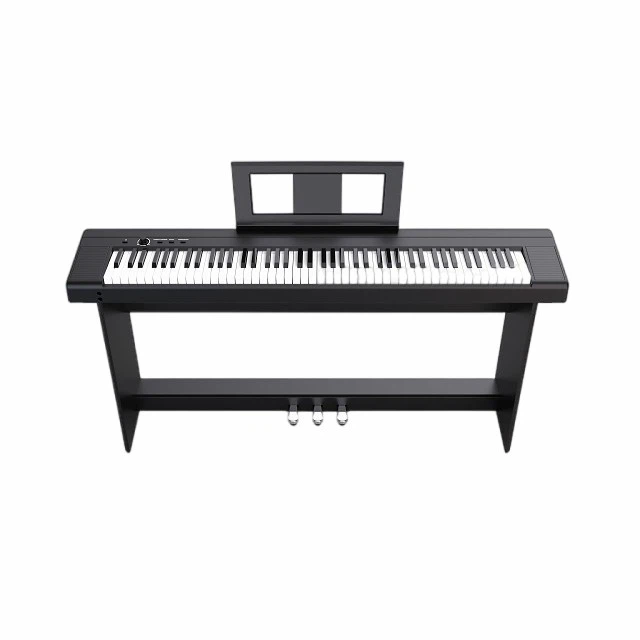
Red Flags: When to Reconsider Your Approach
Signs of Unhealthy Pressure
Child cries before practice. Practice becomes a power struggle. Child expresses dread rather than curiosity. Progress stalls despite increased pressure.
Recommended response: Pause and reassess. Consult with the teacher. Reduce expectations temporarily. Reconnect with the joy that inspired beginning.
Signs of Inappropriate Instruction
Teacher focuses exclusively on criticism. Lessons lack variety or creativity. Child feels anxious rather than challenged. Progress feels forced rather than organic.
Recommended response: Communicate concerns with the instructor. If issues persist, seek alternative instruction. A good teacher welcomes feedback and adapts.
Expert insight: "Music should enrich childhood, not burden it," cautions Dr. Foster. "If practice feels like punishment, something needs to change. The instrument should be a friend, not a foe."
Technology Tools: Apps and Resources for Family Learning
Recommended Apps
Simply Piano: Gamified lessons with immediate feedback, suitable for ages 6+
Yousician: Comprehensive curriculum with progress tracking, ages 7+
Piano Kids: Colorful interface designed for ages 3-6, focuses on exploration
Flowkey: Large song library with slow-down feature, ages 8+
Recommended Hardware
Keyboards with built-in learning modes (Yamaha Education Suite, Casio Step-Up Lesson)
Headphone splitters for parent-child listening
Tablet stands for following apps while playing
Adjustable benches for proper posture at any age
Expert caution: "Technology supports but doesn't replace human connection," notes Marcus Webb. "Apps motivate practice. Parents and teachers provide the emotional foundation that sustains long-term engagement."
Building a Sustainable Musical Home
Environment Matters
Keep the keyboard accessible and inviting. Create a dedicated practice space with good lighting and minimal distractions. Display the child's musical achievements visibly.
Model Musical Engagement
Children imitate what they observe. Play music you enjoy. Attend concerts together. Share your own musical interests. Demonstrate that music is a lifelong pleasure, not just childhood homework.
Connect Music to Life
Link practice to meaningful experiences. Play songs from family movies. Learn music for celebrations. Create soundtracks for everyday moments. Music becomes relevant when it connects to life.
Expert insight: "The goal isn't to raise a professional musician," explains Maria Santos. "The goal is to raise a person who finds joy, expression, and connection through music. That outcome serves every life path."
Final Thought: The Gift of Shared Music
Beginning a child's musical journey requires patience, flexibility, and faith. Progress may be slow. Setbacks will occur. But the rewards - cognitive development, emotional expression, family connection, lifelong appreciation - justify the investment.
As Dr. Amanda Foster summarizes: "Music isn't just another activity to schedule. It's a language for the heart, a tool for the mind, and a bridge between people. When families explore music together, they build something that lasts far beyond childhood."
One parent's post on Reddit's r/Parenting captures the sentiment:
"We started keyboard lessons hoping my daughter would learn music. What we didn't expect was how much we'd learn about patience, celebration, and each other. The keyboard became our conversation. That was the real gift."
📧 Reader Engagement
What questions do you have about starting your child's musical journey? Share your experiences and concerns at jjbet01@beisite-tech.comSelected stories will be featured in upcoming issues.