

Play Without Pain: The Essential Guide To Keyboard Piano Ergonomics And Injury Preventiona
Apr 08, 2026
Leave a message
My wrists ache after thirty minutes of practice." "I developed numbness in my fingers and had to stop playing for weeks." "I didn't realize posture mattered until my back pain made practice impossible."
These experiences are more common than many keyboard players realize. Repetitive strain injuries, tendonitis, carpal tunnel syndrome, and chronic musculoskeletal pain affect musicians across all levels. Yet most players receive minimal guidance on ergonomics and injury prevention during their musical education.
We consulted occupational therapists, performing arts medicine specialists, and ergonomics experts across the United States and Europe to create a comprehensive guide for healthy, sustainable keyboard playing.
The Hidden Cost: Injury Statistics Among Keyboard Players
According to the 2025 Musician Health Survey conducted by the Performing Arts Medicine Association, approximately 42% of keyboard players report experiencing playing-related pain or discomfort. Among professional musicians, that figure rises to 68%. Common conditions include tendonitis (23%), carpal tunnel syndrome (15%), neck and shoulder strain (31%), and lower back pain (28%).
"Most playing injuries are preventable," explains Dr. Susan Park, occupational therapist specializing in musician health at Johns Hopkins University. "The problem isn't that music is inherently harmful. The problem is that players often learn technique without learning body mechanics."
Dr. Rachel Goldman, Professor of Piano Pedagogy at Juilliard School, adds: "We teach fingers to move, but we don't always teach bodies to support that movement. Ergonomics isn't optional - it's foundational to sustainable musicianship."
Foundation One: Bench Height and Seating Position
The Golden Rule of Bench Height
Your bench height determines everything else. When seated, your forearms should be roughly parallel to the floor when hands rest on the keys. Elbows should sit slightly above keyboard level, creating a gentle downward angle from elbow to wrist.
Testing Your Setup
Sit at your keyboard with hands in playing position. If your wrists bend upward to reach keys, your bench is too low. If your shoulders rise or elbows tuck tightly against your body, your bench is too high. Adjust until your arms feel suspended and relaxed.
Foot Position Matters
Feet should rest flat on the floor or on a footrest. Dangling legs create tension that travels upward through your core to your shoulders. For shorter players, a sturdy footrest is essential, not optional.
Expert Insight
"Bench height is the most overlooked ergonomic factor," says Michael Torres, performing arts physical therapist in Los Angeles. "I see countless patients whose wrist pain stems entirely from incorrect bench height. It's the easiest fix with the biggest impact."
Adjustable vs. Fixed Benches
Invest in an adjustable keyboard bench if possible. Fixed-height furniture rarely accommodates individual body proportions. If using a standard chair, ensure it provides stable support without armrests that interfere with playing.
Foundation Two: Arm and Shoulder Alignment
The Relaxed Shoulder Principle
Shoulders should rest naturally, neither hunched toward ears nor pulled forcefully backward. Tension in the shoulders restricts blood flow and creates fatigue that travels down the arms to the hands.
Elbow Positioning
Elbows should float comfortably at your sides, not pinned tightly against your torso or flared outward excessively. Imagine holding a small balloon between your upper arm and ribcage - enough space for freedom, not so much that you lose control.
Forearm Rotation
Your forearms should rotate naturally from the elbow, not the wrist. This subtle distinction prevents excessive wrist movement that contributes to tendon strain. Practice scales while consciously rotating from the elbow to develop this habit.
Expert Insight
"Shoulder tension is silent but destructive," explains Jennifer Lee, certified ergonomics consultant for musicians in London. "Players don't notice they're hunching until pain appears. Regular body scans during practice - checking shoulder position, breathing, tension - prevent cumulative damage."
Quick Check During Practice
Every ten minutes, pause briefly. Roll your shoulders backward once. Take a deep breath. Notice any tension and release it. This thirty-second habit prevents hours of accumulated strain.
Foundation Three: Wrist and Hand Mechanics
The Neutral Wrist Position
Your wrists should maintain a relatively straight line with your forearms. Excessive upward bending (extension) or downward bending (flexion) compresses tendons and nerves, increasing injury risk over time.
Finger Curvature and Key Contact
Fingers should maintain gentle curvature, contacting keys with fingertips rather than flat pads. Collapsed fingers reduce control and force compensatory tension in wrists and forearms.
Thumb Technique
The thumb should move freely under the hand during scales and arpeggios, not jerk or lift excessively. Smooth thumb transitions prevent sudden wrist adjustments that strain tendons.
Expert Insight
"Wrist position is everything," says Dr. Park. "I tell patients: if your wrist hurts, look at your wrist. Nine times out of ten, it's bending in ways it shouldn't. Small corrections prevent big problems."
The Pencil Test
Place a pencil lightly across your palm while playing simple patterns. If the pencil falls, your hand is too tense. If you grip it tightly, you're overcompensating. Aim for gentle contact that maintains natural hand shape.
Prevention Strategy: Warm-Up and Stretching Routines
Pre-Practice Warm-Up (5 Minutes)
Begin each session with gentle movement to increase blood flow and prepare muscles:
Shoulder rolls: ten forward, ten backward
Wrist circles: ten clockwise, ten counterclockwise per hand
Finger spreads: extend fingers wide, then relax, repeat ten times
Gentle forearm stretches: extend arm, pull fingers back lightly, hold fifteen seconds per side
During-Practice Micro-Breaks
Every twenty to thirty minutes, pause for sixty seconds. Shake out hands gently. Roll shoulders. Take three deep breaths. These brief interruptions prevent cumulative strain without disrupting practice flow.
Post-Practice Cool-Down (3 Minutes)
Conclude with stretches that release tension built during playing:
Prayer stretch: press palms together at chest, lower hands toward waist, hold twenty seconds
Reverse prayer: press backs of hands together, lift elbows gently, hold fifteen seconds
Forearm massage: gently massage forearm muscles from elbow to wrist, thirty seconds per arm
Expert Insight
"Warm-up isn't optional - it's physiological necessity," explains Dr. Amanda Foster, sports medicine specialist at University of Oxford. "Cold muscles tear more easily. Warm muscles adapt. Five minutes of preparation prevents weeks of recovery."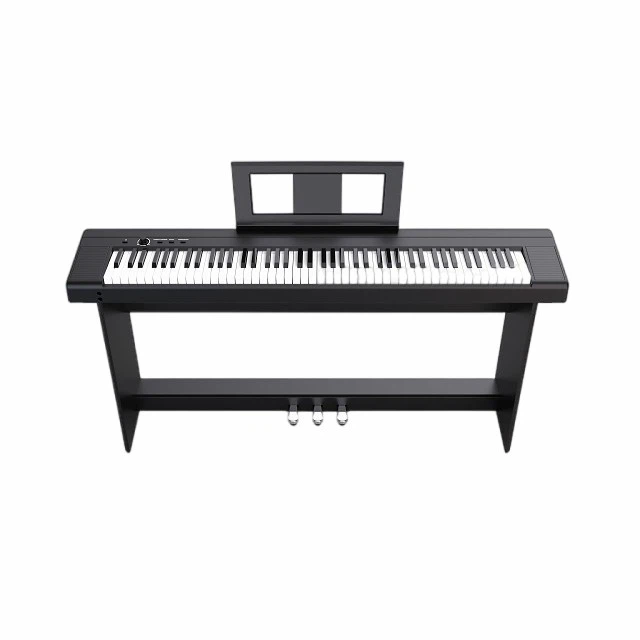
Recognizing Warning Signs: When to Stop and Seek Help
Early Warning Symptoms
Persistent ache in wrists, forearms, or shoulders after playing
Numbness or tingling in fingers, especially thumb, index, and middle fingers
Weakness or loss of coordination in one hand
Pain that worsens with continued playing rather than improving as you warm up
Immediate Action Steps
If you experience these symptoms, stop playing immediately. Rest the affected area for twenty-four to forty-eight hours. Apply ice for fifteen minutes if inflammation is present. If symptoms persist beyond two days, consult a healthcare provider familiar with musician injuries.
When to Seek Professional Help
Consult a performing arts medicine specialist if:
Pain interferes with daily activities beyond playing
Numbness or weakness persists after rest
Symptoms recur despite ergonomic adjustments
You experience sharp, shooting pain rather than dull ache
Expert Insight
"Early intervention prevents chronic problems," cautions Dr. Park. "Don't wait until you can't play to seek help. Musicians who address issues early recover faster and return to playing sooner."
Practice Habits That Protect Your Body
Duration and Frequency Guidelines
Quality exceeds quantity. Thirty minutes of focused practice with proper technique benefits you more than two hours of strained repetition. For adult players, aim for:
Beginners: fifteen to twenty minutes daily
Intermediate: thirty to forty-five minutes daily
Advanced: forty-five to sixty minutes, with breaks every twenty minutes
The Power of Distributed Practice
Multiple short sessions throughout the day reduce strain compared to single long sessions. If possible, split practice into morning and evening segments. Your body benefits from recovery time between sessions.
Mindful Practice Over Mindless Repetition
Tension often increases when attention wanders. Practice with full awareness of your body position. Record yourself occasionally to observe posture you might not notice while playing.
Expert Insight
"Mindfulness isn't mystical - it's mechanical," explains Marcus Webb, keyboard instructor and ergonomics advocate in London. "When you pay attention to your body, you catch tension before it becomes injury. Awareness is prevention."
Equipment Considerations: Gear That Supports Health
Keyboard Weight and Key Action
Heavier key actions require more finger strength, potentially increasing strain for players with developing technique. If you experience fatigue, consider whether your keyboard's touch sensitivity matches your current ability.
Stand Height and Stability
Your keyboard stand should position the instrument at comfortable playing height without requiring you to reach upward or hunch forward. Adjustable stands accommodate different body sizes and seating arrangements.
Pedal Placement
Sustain pedals should rest where your foot reaches naturally without stretching or twisting your ankle. Misaligned pedals create compensatory tension in legs and lower back.
Expert Insight
"Equipment should disappear into the background," says Jennifer Lee. "If you're constantly adjusting your body to accommodate your gear, something needs to change. Your instrument should serve your body, not fight it."
Real Stories: Players Who Learned the Hard Way
Daniel Kim, 32, Software Developer and Hobbyist, San Francisco
"I practiced two hours daily without breaks, hunched over my keyboard. After six months, I developed tendonitis in both wrists. I had to stop playing for three months. Now I practice forty-five minutes with timers for breaks. My wrists feel better, and I actually progress faster with focused sessions."
Linda Park, 39, Music Teacher, Seattle
"I didn't realize my bench was too low until my student's parent, a physical therapist, mentioned my posture. Adjusting my bench height eliminated the shoulder pain I'd accepted as 'normal.' I wish I'd known earlier."
Carlos Rivera, 28, Performing Musician, Barcelona
"Touring taught me body awareness the hard way. Playing different keyboards in different venues with inconsistent setups led to recurring strain. Now I travel with a portable footrest and quick-adjustment checklist. Prevention is part of my professional routine."
Emma Rodriguez, 45, Home Studio Producer, Madrid
"I developed carpal tunnel from years of poor wrist position while programming MIDI. Surgery and rehabilitation taught me ergonomics. Now I teach proper posture to my students from day one. Knowledge is protection."
Michael Chang, 41, Classical Student, Toronto
"My teacher noticed my tense shoulders before I did. She made me practice in front of a mirror for a month. Seeing my own tension was transformative. Sometimes you need external feedback to recognize what feels normal but isn't."
Technology Tools: Apps and Devices for Healthy Playing
Timer and Break Reminder Apps
Practice+: Customizable practice sessions with break reminders
TimeGuru: Visual timer with interval alerts for distributed practice
Forest: Gamified focus app that encourages regular breaks
Posture Monitoring Devices
Upright Go: Wearable posture trainer that vibrates when you slouch
Lumo Lift: Clips to clothing and provides real-time posture feedback
Stretching and Mobility Apps
Down Dog: Customizable yoga routines including musician-specific sequences
StretchIt: Guided stretching programs for flexibility and injury prevention
Expert Caution
"Technology supports but doesn't replace awareness," notes Dr. Foster. "Apps remind you to check posture. But only you can feel tension and choose to release it. Tools assist; attention heals."
Building a Sustainable Practice Culture
Environment Design
Arrange your practice space to support healthy habits. Good lighting reduces eye strain that leads to forward head posture. Minimal clutter reduces mental stress that manifests as physical tension.
Community and Accountability
Share your ergonomic goals with teachers, fellow players, or online communities. Accountability increases adherence to healthy practices. Many musicians report that discussing posture normalizes attention to body mechanics.
Lifelong Learning
Ergonomics isn't a one-time lesson. As your technique evolves, your body's needs change. Regularly reassess your setup, especially after growth spurts in young players or physical changes in adults.
Expert Insight
"Healthy playing is a practice, not a destination," explains Dr. Goldman. "You don't learn posture once and forget it. You cultivate body awareness throughout your musical life. That awareness becomes as natural as reading music."
Quick Reference: Daily Ergonomics Checklist
Before playing: Adjust bench height so forearms are parallel to floor. Position feet flat on floor or footrest. Check that keyboard height allows relaxed shoulder position.
During playing: Every ten minutes, scan your body for tension. Roll shoulders, breathe deeply, release jaw. Maintain neutral wrist position and curved fingers.
After playing: Perform cool-down stretches. Note any discomfort for future adjustment. Hydrate to support muscle recovery.
Expert Insight
"Consistency beats perfection," says Michael Torres. "You won't maintain perfect posture every second. But regular check-ins create habits that protect you over years of playing."
Final Thought: Your Body Is Your First Instrument
Before your keyboard produces sound, your body enables the motion that creates music. Caring for that instrument - through ergonomics, awareness, and prevention - isn't separate from musical development. It is musical development.
As Dr. Susan Park summarizes: "Music should enrich your life, not diminish your health. When you play with your whole body in mind, you create not just better sound, but a sustainable relationship with your art. That's the foundation of a lifelong musical journey."
One keyboardist's post on Reddit's r/piano captures the transformation:
"I used to think pain was part of playing. Then I learned it wasn't. Now I practice with awareness, take breaks, stretch, and adjust my setup. I play longer, progress faster, and feel better. Taking care of my body didn't slow me down - it freed me to play without limits."
📧 Reader Engagement
Do you experience discomfort while playing? What ergonomic adjustments have helped you? Share your experiences and questions at jjbet01@beisite-tech.com Selected stories will be featured in upcoming issues.