
The chuan ling (stringed bells) is a fascinating traditional Chinese ethnic musical instrument
Sep 17, 2025
Leave a message
The Pre-Qin period (c. 21st century – 221 BCE) marked a pivotal stage in the "ritual and musical systematization" of Chinese ethnic music. As one of the earliest musical instruments, the chuàn líng (stringed bells) made its first appearance in imperial court ritual and music scenarios as an "auxiliary ritual instrument". Its core function was to complement mainstream instruments such as the biān zhōng (a set of tuned bronze bells) and biān qìng (a set of tuned stone chimes), enriching the musical layering and ceremonial ambiance of the performances.

During the Shang Dynasty (c. 1600 – 1046 BCE), the musical properties of the chuàn líng began to take shape. Shang Dynasty ritual ceremonies featured "constant dancing in the palace and hearty singing in the chambers." The chuàn líng were worn around dancers' waists or wrists; as the dancers swayed their bodies in time with the music, the crisp sound of the chuàn líng blended with the sonorous tones of the biān náo (a set of tuned bronze percussion instruments) and the clear, resonant notes of the jade qìng (jade chimes). Together, they formed a three-part harmony of "high, middle, and low" registers, creating a solemn and reverent atmosphere for sacrificial rituals.
In the Qin and Han dynasties (221 BCE – 220 CE), with the establishment of unified imperial dynasties and the rise of folk music, the chuàn líng gradually transitioned from imperial court ritual music to folk contexts. It became an important accompaniment instrument in folk song and dance performances as well as acrobatic shows. Its performance scenarios became more diverse, and the instrument's design also exhibited regional variations due to differences in local cultures.
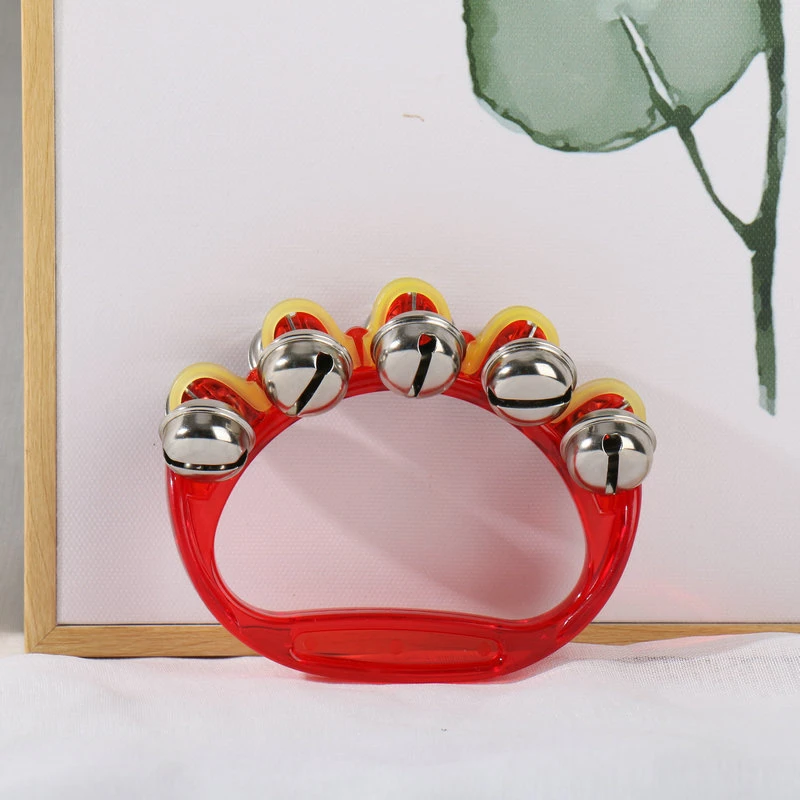
With the passage of time, the traditional craftsmanship of the chuàn líng has been inherited and developed. Many regions have established chuàn líng orchestras and dance troupes, organizing various cultural performances and competitions. These efforts have promoted the dissemination and advancement of the chuàn líng's musical art. Today, the chuàn líng is not merely a traditional ethnic musical instrument; it has also become a vital element in modern music, used in the performance and composition of various contemporary musical works.
One of the defining characteristics of the chuàn líng is its clear and bright timbre, which can produce pleasant resonance in open spaces. Its sound, akin to the gurgling of a clear spring, brings a sense of relaxation and joy to listeners. Moreover, playing the chuàn líng is relatively straightforward – beautiful music can be produced simply by gently shaking or swinging the instrument. However, mastering it does require a certain degree of skill and experience. Firstly, performers must grasp the correct strength and frequency of shaking to ensure the chuàn líng produces clear and accurate tones. Secondly, they need to control the playing speed and rhythm according to the melody and beat, rendering the music more harmonious and complete.
As an ancient ethnic musical instrument, the chuàn líng, with its unique timbre and expressive power, has won high praise and affection from people. The musical art of the chuàn líng has become an important component of Chinese culture, playing a positive role in promoting communication and exchange among different ethnic groups. The development of the chuàn líng exemplifies the richness, diversity, and profoundness of Chinese ethnic musical art, allowing people to deeply appreciate the charm and vitality of ethnic culture.