

The piccolo is an ancient wind instrument
Sep 16, 2025
Leave a message
As an ancient wind instrument, the piccolo has originated in numerous distinct cultures and regions worldwide, undergoing development and evolution across different historical periods. It boasts a unique timbre and playing style. In ancient times, it was widely used in fields such as religion, entertainment, and military affairs, and it still enjoys great popularity and admiration among people to this day. The earliest piccolos were made of bamboo or bone slices, with only a few tone holes. They were simple and rough, lacking the sophistication and complexity of modern piccolos.
During the Renaissance, the piccolo began to gain popularity among royal courts and nobles, becoming a symbol of fashion and culture. With the advent of the Industrial Revolution and advancements in modern technology, the craftsmanship of piccolo making has been greatly enhanced, and significant improvements have also been made in its sound quality and playing techniques. Since the 20th century, along with the development of fields like modern music, military music, and film and television soundtracks, the application scenarios of the piccolo have continuously expanded. Its playing skills and instrument craftsmanship have further innovated, presenting a development trend of "diversified styles".
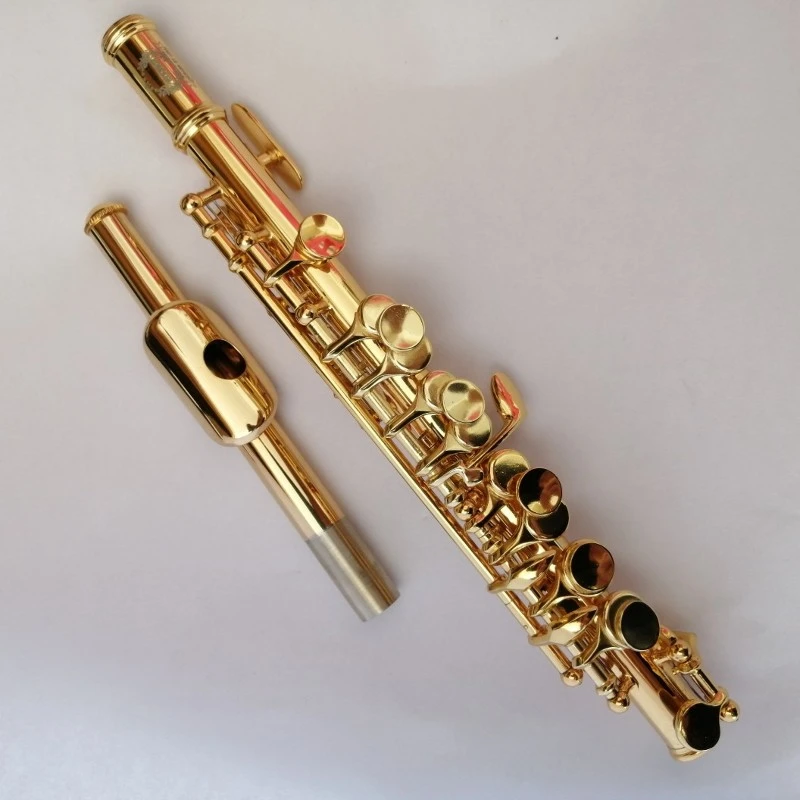
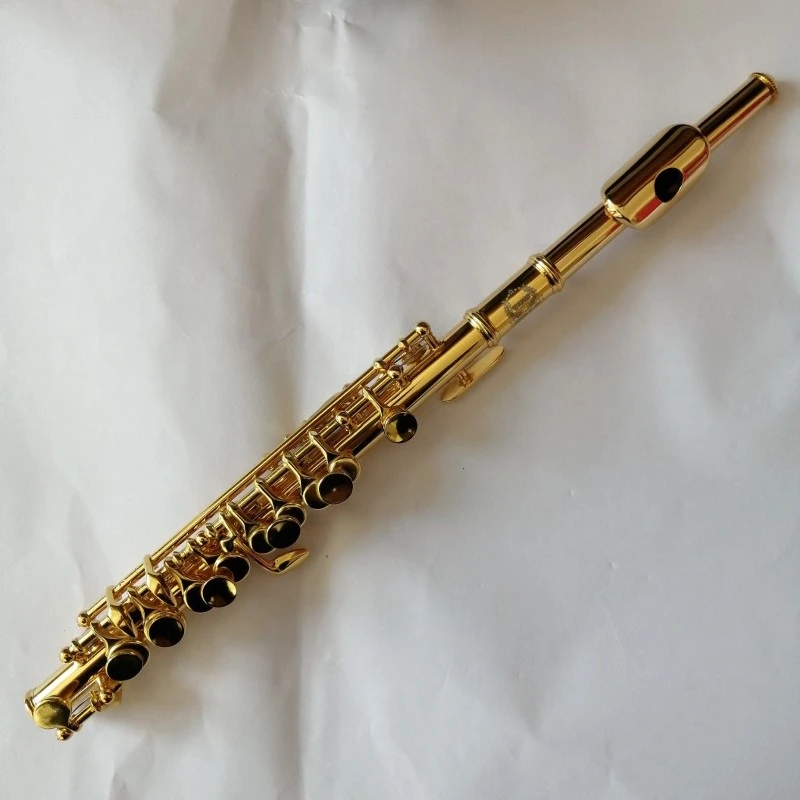
The materials used for piccolos have expanded from traditional maple and cherry wood to metals (such as silver and brass) and synthetic materials (such as resin). Metal piccolos have a brighter timbre and more stable intonation, making them suitable for symphony orchestras and military bands; resin piccolos are lightweight and affordable, which are ideal for beginners; silver piccolos, with their delicate timbre, are the first choice for professional performers. The structure of the piccolo is similar to that of the flute, but it is smaller in size (with a length of approximately 32-38 centimeters, only half of that of the flute). Its detailed design places greater emphasis on "high-range performance optimization" and mainly consists of three core parts: the mouthpiece, the tube body, and the key system. The mouthpiece is the "key component" that controls the vibration of high notes; the tube body features optimization of the "conical tube" and "tone hole layout"; the key system is a "miniature adaptation" of the Boehm system.
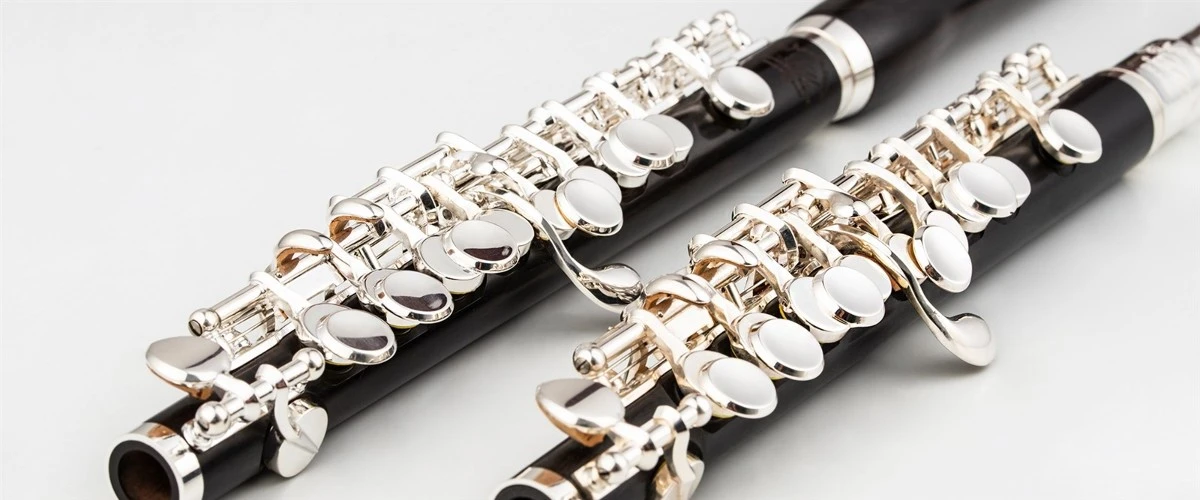
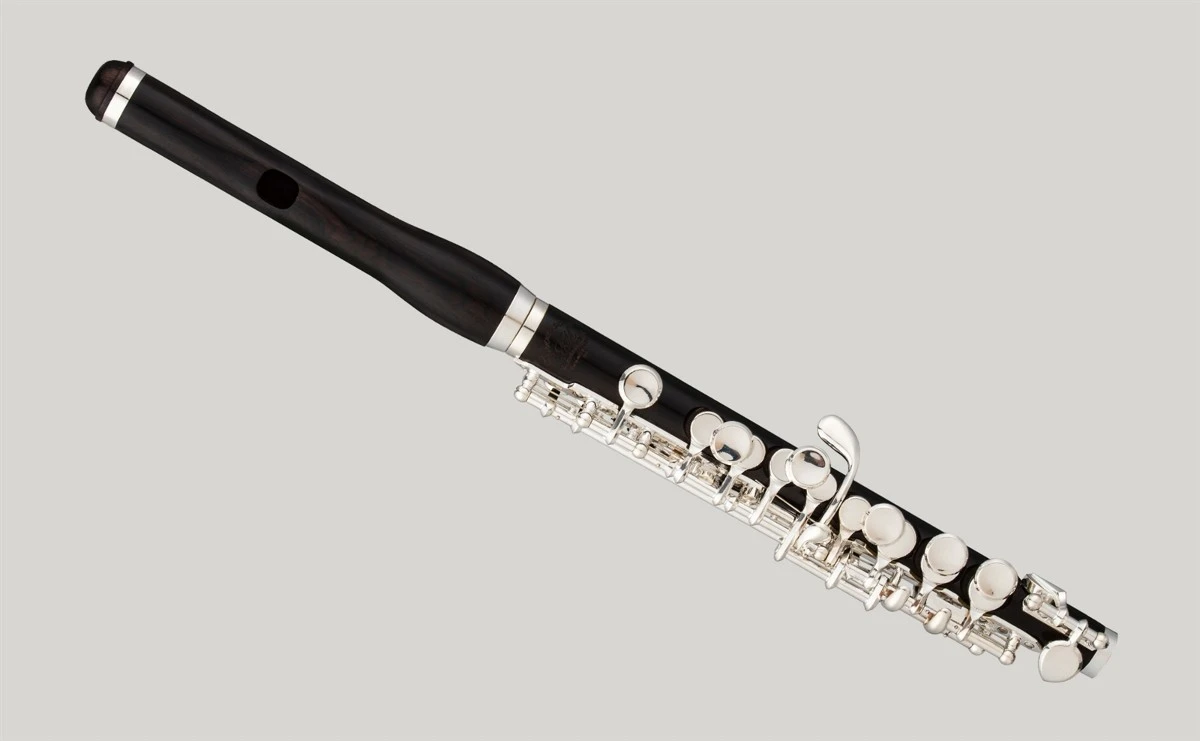
The timbre of the piccolo is its most distinctive feature, with the core characteristic of being "high-pitched and bright". Meanwhile, through adjustments in playing techniques, it can exhibit various variations such as "agile, soft, and sharp", adapting to the requirements of different music styles. Today, the piccolo has become one of the essential instruments for music enthusiasts and professional musicians around the world, widely used in different types of music including classical music, folk music, and pop music. With its beautiful timbre and wide range, the piccolo is suitable for expressing various feelings and emotions. Known as the "spirit of sound", it is deeply loved by people.